

Registered in England & Wales, Charity Number 1175317
Donate
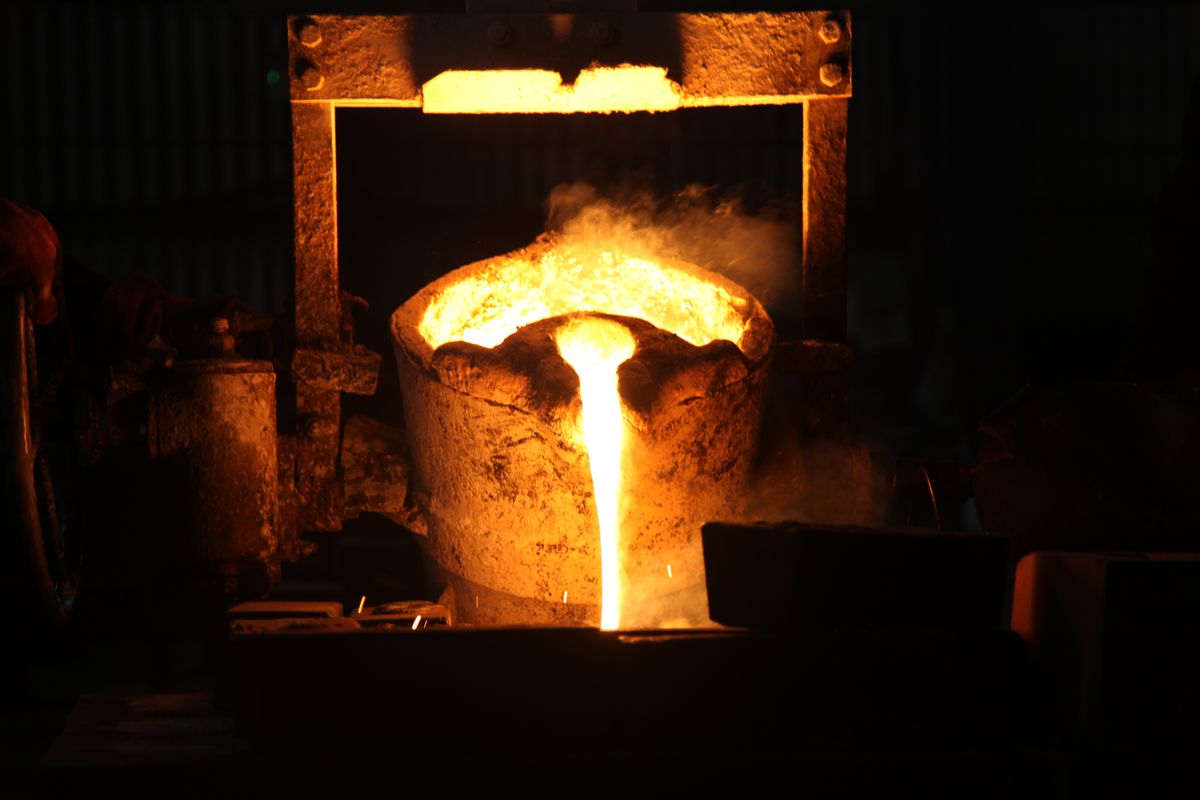
Molten steel from collected knives pouring from a crucible
How every session adds up

OurTheoryOf Change

Steel Warriors transforms the steel of collected knives into opportunities for young people to build stronger, safer and more positive futures.

The map

From a free gym to a safer community

Through accessible calisthenics, trusted relationships, mentoring, education and employment pathways, we aim to prevent violence, reduce social exclusion, improve wellbeing and empower young people to reach their potential.

This is our theory of change: the steps from what goes in, to what we do and deliver, to the change that follows. Read it left to right. Hover over a box to trace its path, or select it to read more.

Show an outcome
How we evidence change

Baseline assessments, attendance data, coach observations, feedback from young people, individual progression records and follow-up evaluations where possible.

What we can and can't claim

Immediate outcomes are not the same as long-term ambitions. Attending sessions alone cannot be shown to reduce knife crime; what the work can show is growth in confidence, resilience, relationships, belonging and opportunity, which are protective factors.

What we're working towards

Six outcomes, every programme

One set of outcomes across all our programmes, so we can show the same kinds of change wherever we work. Each programme works towards some of them.

A young woman smiling as she pulls herself up on steel bars at an indoor Steel Warriors session
  1. 01

    Improved physical and mental wellbeing

    Participants feel healthier, more active and better able to manage their wellbeing.

    How we'll knowAttendance, activity levels, wellbeing surveys, participant feedback.

  2. 02

    Increased confidence and resilience

    Young people develop self-belief, emotional resilience and the ability to overcome challenges.

    How we'll knowBaseline and endline confidence assessments, coach observations, case studies.

  3. 03

    Stronger relationships and belonging

    Participants develop positive relationships with trusted adults and peers and feel connected to their communities.

    How we'll knowBelonging surveys, repeat attendance, mentoring engagement, participant feedback.

  4. 04

    Reduced vulnerability to violence and exploitation

    Young people strengthen protective factors, access early intervention and make safer choices.

    How we'll knowSafeguarding and referral data, mentoring outcomes, risk assessments and individual progression reviews.

  5. 05

    Improved education, skills and employment opportunities

    Young people develop transferable skills, achieve qualifications and progress towards employment or further education.

    How we'll knowQualifications, programme completion, work placements, employment and education progression.

  6. 06

    Stronger, safer and more inclusive communities

    Communities benefit from accessible activities, positive youth engagement and improved community connections.

    How we'll knowCommunity participation, partnerships, demographic reach, stakeholder feedback and local impact studies.

See our programmes

How we'll know it's working

What we track

We're building our measures around six areas, the same for every programme. Some are already in place and others are being introduced, so we can show what changes for the people who take part, not just how many come.

  • Reach

    Unique participants, total attendances, sessions delivered and geographical coverage.

  • Engagement

    Repeat attendance, programme completion and sustained participation.

  • Personal development

    Percentage reporting improved confidence, resilience and wellbeing.

  • Safety

    Trusted-adult relationships, awareness of support, and safe delivery.

  • Progression

    Qualifications, volunteering, mentoring, paid opportunities, education and employment.

  • Community impact

    New partnerships, community engagement, accessibility and participant feedback.

See our latest figures

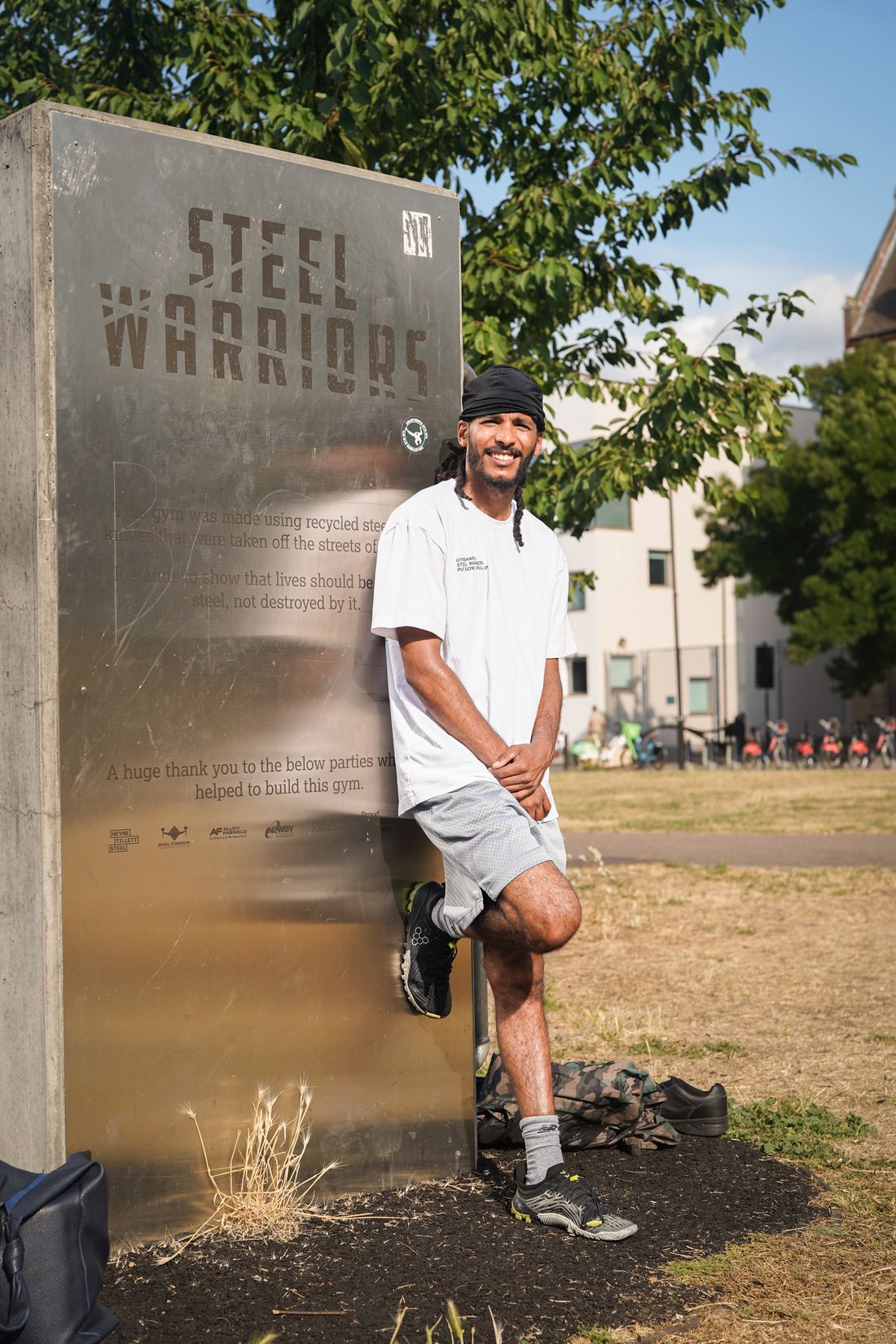
A young man leaning against a Steel Warriors gym sign that reads: This gym was made using recycled steel from knives that were taken off the streets of London
The evidence

What the research says

Research on places to be active, trusted relationships and belonging, and what it means for work like ours.

Free outdoor gyms and community exercise are linked to better wellbeing

A 2026 review of 14 studies of outdoor fitness equipment linked it to more physical activity and better fitness and strength, and the two studies that measured wellbeing found it improved. A review of 57 studies of community-based outdoor exercise found a small-to-moderate positive effect on health, though results varied widely between studies.

Trusted relationships and belonging protect young people

The Search Institute reports that one in five young people have no developmental relationships, and another 20% have only one. A US study of more than 7,000 young people found that those whose programmes promoted positive development went on to contribute to their communities. Across 343 Chicago neighbourhoods, stronger community cohesion was linked with less violence.

Sport works best as part of wider support

The Youth Endowment Fund rates sports programmes as having high potential to reduce violence, with low confidence in the evidence because it rests on six studies. It points to coaches as mentors and to sport as a way into wider support. Steel Warriors is built this way: a free safe space, trusted coaches, targeted programmes and referral routes.

This research does not evaluate Steel Warriors itself. It shows why our approach is credible. The measures we track show whether it is working.

Our theory of change was developed with Baringa in 2026.

Keep exploring

See what it adds up to

The numbers behind our work, and the programmes that make it happen.

Keep the classes free

Every gift helps keep our classes free for young people. If you can give, give.

Donate now